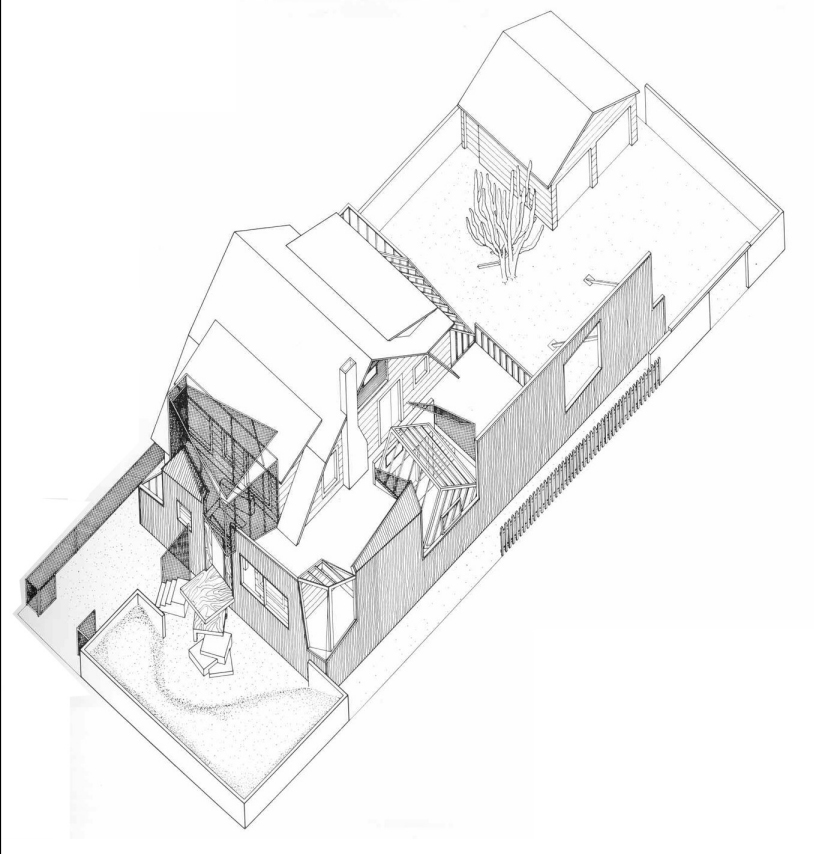
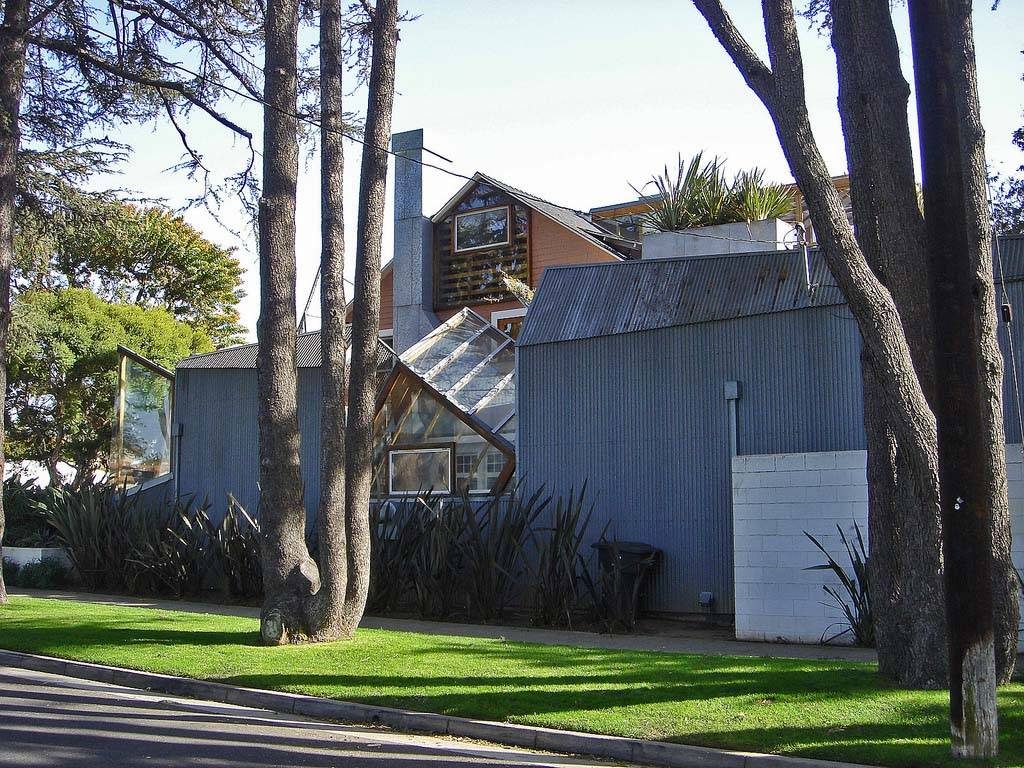
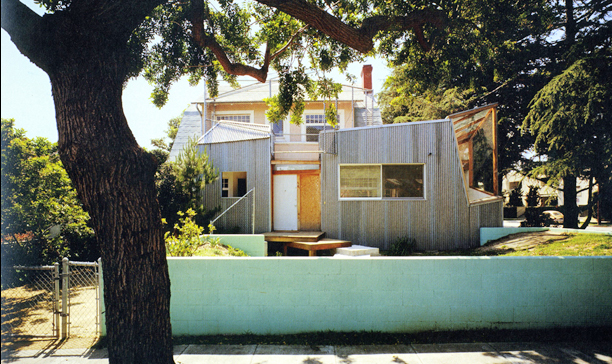
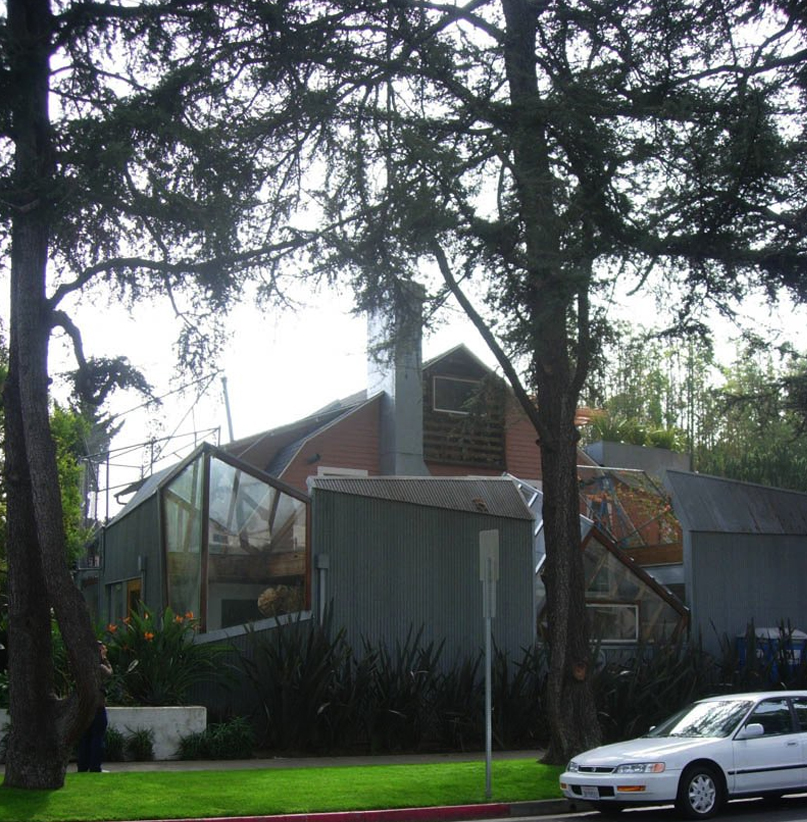
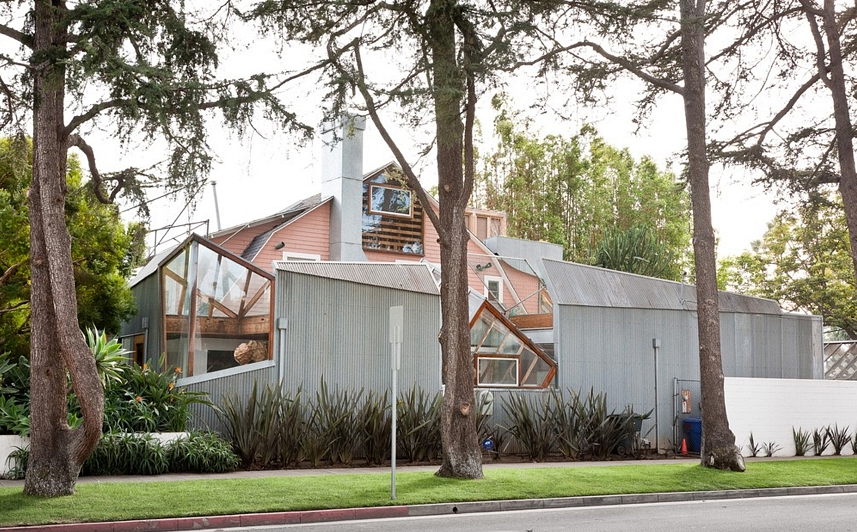
Gehry House
/
























They introduced three core concepts that still drive us today:
A student of Thales, he argued that the source couldn't be a specific element like water, but must be the Apeiron —an "indefinite" or "boundless" substance that balances the opposites of the world (hot/cold, wet/dry).
Often called the first philosopher, Thales famously claimed that "all is water." While it sounds simple today, it was revolutionary because it suggested a single, material explanation for the world's complexity, rather than attributing everything to the whims of gods like Poseidon or Zeus. The beginning of western philosophy : interpret...
The beginning of Western philosophy is the story of humanity's "coming of age." It represents the moment we decided that the universe is a puzzle to be solved rather than a mystery to be feared.
The Birth of Reason: Interpreting the Dawn of Western Philosophy They introduced three core concepts that still drive
Western philosophy didn’t start with a book or a decree, but with a shift in perspective. Around the 6th century BCE, in the Greek city-state of Miletus, a group of thinkers began to swap myth for logic. This transition—often called the move from —marks the official beginning of the Western intellectual tradition. 1. The Pre-Socratics: Searching for the Arche
As the "Natural Philosophy" of the Milesians matured, the focus eventually shifted from the stars to the streets. The began teaching rhetoric and relativism, which paved the way for Socrates . Socrates moved the goalposts from "What is the world made of?" to "How should I live?" and "What is justice?" The Birth of Reason: Interpreting the Dawn of
The beginning of philosophy wasn't just about "guessing" what the world was made of; it was about —the study of how we know things. By using observation and deduction rather than religious tradition, these thinkers established the "scientific temperament."