Exploring the intersection of materials, chemistry, and design.
His calluses hadn't formed yet. The nylon strings pressed into his soft fingertips, leaving deep, temporary grooves. It was a slow, rhythmic sort of pain. But as he transitioned from an open C chord to a G7, his fingers found their marks without him looking. 💡
The diagram showed the proper way to hold the guitar. "Elevate the left foot," the text instructed. Leo stacked two thick textbooks under his heel, mimicking a footstool. He felt ridiculous, but as the neck of the guitar angled upward toward his shoulder, the tension in his wrist vanished. The First Movement He rested his thumb on the low E string. The Index Finger: He plucked the high E. It buzzed. The Correction: He pressed harder behind the fret. The Sound: A clear, bell-like ring filled the quiet room.
The exercise was a four-measure piece titled "Spanish Study." It required a steady thumb and alternating fingers. Leo took a breath, wound the metronome to 60 beats per minute, and let the pendulum swing. Tick. Tock. Tick.
To help me tailor this story or provide more info, let me know:
Is this for a , a book review , or a creative writing project ? Should the tone be more nostalgic , humorous , or technical ?
By page twelve, the "Simple Melodies" section beckoned. These weren't the soaring concertos he’d heard on recordings. They were skeletal things—half-notes and quarter-notes that looked like lonely birds on a wire. He began to play. Pluck. Pause. Pluck.
The weathered cover of the book was a dull, sun-bleached yellow, bearing the title Mel Bay Learning the Classic Guitar: Part 1 . It sat on the music stand like a challenge.
No upcoming events scheduled.
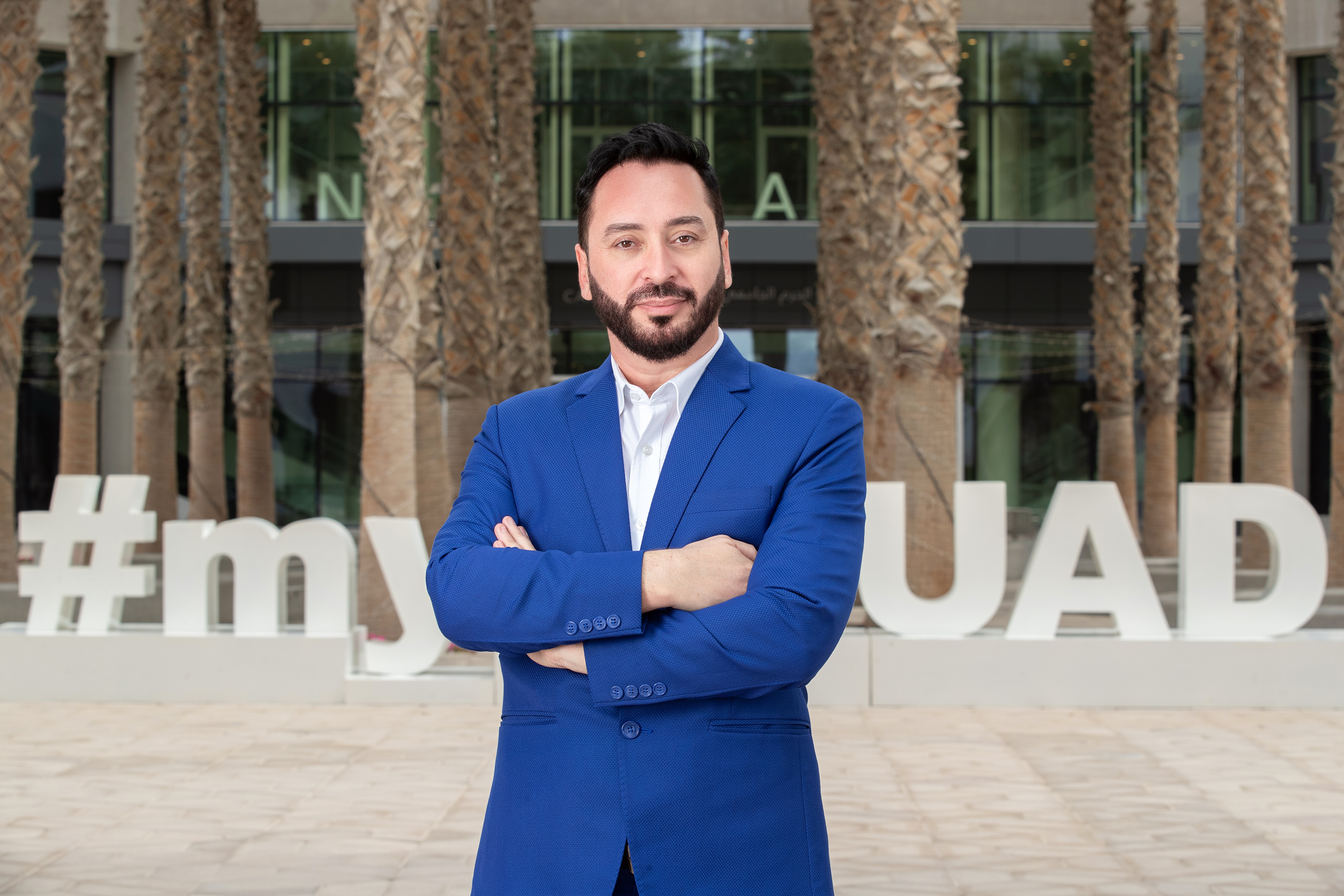
Principal Investigator, Professor of Chemistry
Panče Naumov leads the Smart Materials Lab and the Center for Smart Engineering Materials at NYUAD. His group is internationally recognized for pioneering crystal adaptronics and advancing adaptive molecular solids, with applications in sensing, robotics, optics, and energy systems.
Meet the TeamHis calluses hadn't formed yet. The nylon strings pressed into his soft fingertips, leaving deep, temporary grooves. It was a slow, rhythmic sort of pain. But as he transitioned from an open C chord to a G7, his fingers found their marks without him looking. 💡
The diagram showed the proper way to hold the guitar. "Elevate the left foot," the text instructed. Leo stacked two thick textbooks under his heel, mimicking a footstool. He felt ridiculous, but as the neck of the guitar angled upward toward his shoulder, the tension in his wrist vanished. The First Movement He rested his thumb on the low E string. The Index Finger: He plucked the high E. It buzzed. The Correction: He pressed harder behind the fret. The Sound: A clear, bell-like ring filled the quiet room. Mel Bay Learning the Classic Guitar: Part 1
The exercise was a four-measure piece titled "Spanish Study." It required a steady thumb and alternating fingers. Leo took a breath, wound the metronome to 60 beats per minute, and let the pendulum swing. Tick. Tock. Tick. His calluses hadn't formed yet
To help me tailor this story or provide more info, let me know: But as he transitioned from an open C
Is this for a , a book review , or a creative writing project ? Should the tone be more nostalgic , humorous , or technical ?
By page twelve, the "Simple Melodies" section beckoned. These weren't the soaring concertos he’d heard on recordings. They were skeletal things—half-notes and quarter-notes that looked like lonely birds on a wire. He began to play. Pluck. Pause. Pluck.
The weathered cover of the book was a dull, sun-bleached yellow, bearing the title Mel Bay Learning the Classic Guitar: Part 1 . It sat on the music stand like a challenge.
We are proud that the Smart Materials Lab is the leading team in impactful chemistry research in the United Arab Emirates, with research output that, according to the Nature Index, accounts for 40‒60% of the total chemistry publications within the country, both in fractional count and weighed fractional count. The past and current research projects in the Smart Materials Lab have been sponsored by Abu Dhabi National Oil Company (ADNOC), Abu Dhabi Education Council (ADEC), Human Science Frontier Program Organization (HFSPO), and the UAE National Research Foundation (NRF), in addition to generous financial support from NYUAD and the NYU Abu Dhabi Institute. The members of the Smart Materials Lab work closely with NYUAD's Center for Smart Engineering Materials (CSEM).