epanet-js

How To Buy Crypto Currencies -

No installs. No forced cloud storage. Just fast, local-first water modeling — powered by the engine you already trust.

The EPANET user's dilemma

  • Classic EPANET is powerful — but clunky and outdated. Workarounds become your workflow — slow and cumbersome.
  • Big-name platforms look polished, but they're overpriced and bloated with features you don't need to analyze your network quickly.
  • Modern browser-based tools exist — but they force your data into the cloud, raising privacy and compliance concerns. Plus, they offer little for those doing long-term planning and analysis.

You shouldn't have to choose between speed, security, and affordability just to understand your water networks.

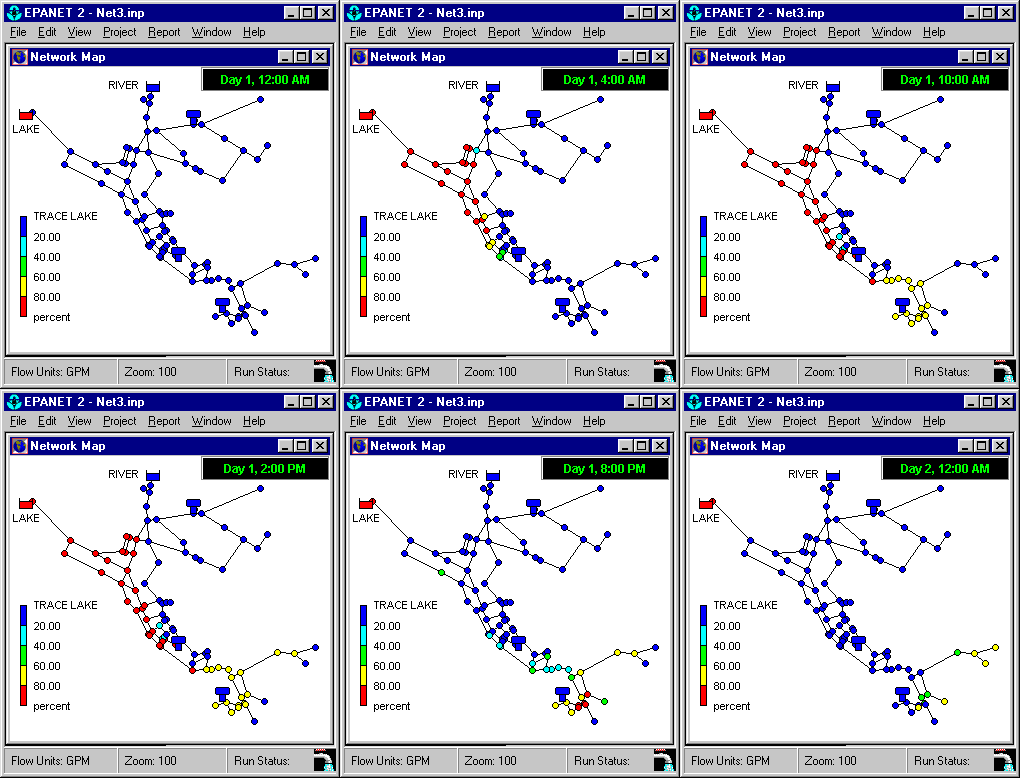
Old EPANET UI
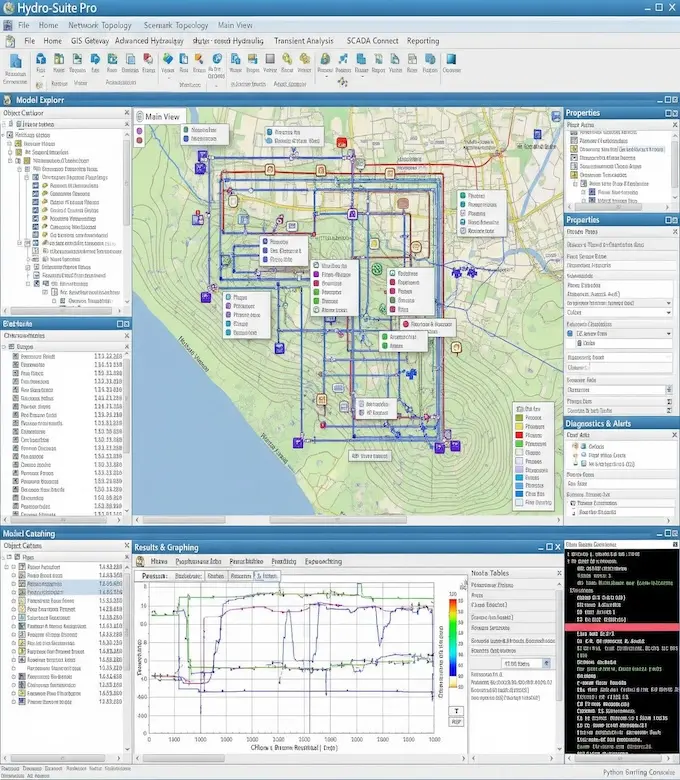
Complex Modeling App

How To Buy Crypto Currencies -

Once an exchange is selected, the next phase involves account setup and verification. Due to "Know Your Customer" (KYC) laws, most reputable platforms require users to provide identification, such as a driver’s license or passport. After the account is verified, the user must fund it using fiat currency. Most exchanges allow for deposits via bank transfers, credit cards, or wire transfers. It is important to note that different payment methods carry varying fees and processing times; for instance, bank transfers are often cheaper but slower than credit card purchases.

Cryptocurrency has evolved from a niche experiment into a mainstream financial asset class. For many, the process of buying digital currency can seem daunting due to its technical jargon and perceived volatility. However, the path to ownership is relatively straightforward when broken down into a series of logical steps. By choosing a reputable platform, securing a digital wallet, and implementing a sound investment strategy, anyone can participate in the digital economy. how to buy crypto currencies

The final, and perhaps most critical, step is securing the investment. While many users leave their assets on the exchange for convenience, this exposes them to the risk of platform hacks or insolvency. For enhanced security, investors use "wallets." These can be software-based apps on a phone or "cold storage" hardware devices that keep the private keys offline. Following the industry mantra "not your keys, not your coins," moving assets to a personal wallet ensures that the investor has total control over their funds. Once an exchange is selected, the next phase

In conclusion, buying cryptocurrency is a process defined by preparation and caution. By selecting a secure exchange, verifying one's identity, and prioritizing the safe storage of assets, an individual can navigate the complexities of the crypto market with confidence. While the market remains speculative, a methodical approach to purchasing ensures that the investor is well-positioned to explore the potential of blockchain technology. Most exchanges allow for deposits via bank transfers,

The first step in the journey is selecting a cryptocurrency exchange. These platforms act as intermediaries where buyers and sellers trade traditional money for digital assets. For beginners, centralized exchanges (CEXs) like Coinbase, Binance, or Kraken are often the best starting point because they offer user-friendly interfaces and robust customer support. When choosing an exchange, it is vital to prioritize security features, such as two-factor authentication (2FA), and to ensure the platform complies with local financial regulations.

AI responses may include mistakes. For financial advice, consult a professional. Learn more

With a funded account, the buyer is ready to place an order. Investors can choose from thousands of cryptocurrencies, ranging from established giants like Bitcoin and Ethereum to smaller "altcoins." Beginners are generally encouraged to start with well-known assets that have higher liquidity and lower relative volatility. Orders can be placed as "market orders," which buy the asset immediately at the current price, or "limit orders," which only execute when the asset reaches a specific price chosen by the buyer.
Model water networks instantly.

No setup or downloads — just instant access right in your browser.

Start modeling now

EPANET deserves better — and so do you.

EPANET was a gift to the industry — free, open-source water modeling for all. But commercial vendors built on it, locked away improvements, and left the community behind.

epanet-js is our answer: a faster, simpler, affordable water modeling tool that protects your privacy and sustains the open-source future of water modeling.

We're proud to be part of the next chapter — and we're just getting started.

EPA logo
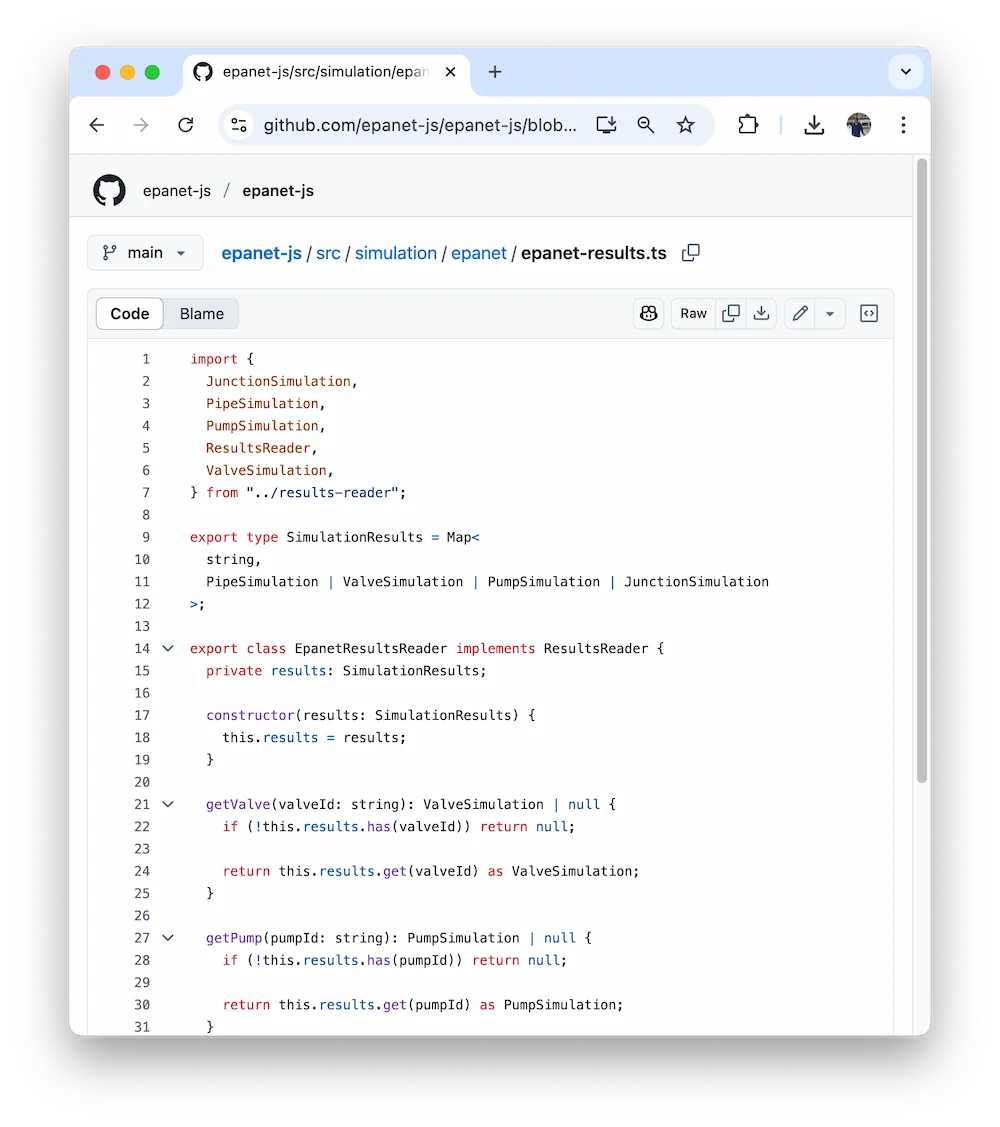
Source code of epanet-js on GitHub

When you support epanet-js, you support EPANET.

When you purchase more features in epanet-js, you're investing in the future of open-source EPANET development.

Our open-source model balances innovation and accessibility:

Anyone can build on our code. The two-year commercial-use delay gives us the incentive to keep pushing forward — and that fuels progress for everyone.

That means when you support us, you support more affordable hydraulic modeling software for the entire community.

Simple, transparent pricing for every kind of modeler.

Choose the plan that works for you

Free

For everyone.$0 /year

  • Web based EPANET model
  • Background maps and satellite
  • Automated Elevations
  • No limits on sizes
  • Community Support

ProMost popular

For solo modelers and small utilities.$950 /year

Individual named license

Everything in free, and:
  • Scenarios
  • Professional support
  • Custom layers
Coming soon:
  • Cloud storage
  • Point in time restore - 30 days
  • Demand Analysis

Teams

For teams that build together.$2500 /year

Floating shared license

Everything in Pro, and:
  • Priority support
  • Volume discounts
  • Pay by invoice
Coming soon:
  • Team storage
  • Point in time restore - 90 days
  • Sharing of networks

Have questions? or book a call.

Special access for personal and educational use

Available for non-commercial projects, learning, and student work.

Personal

$100/year

For curious minds and personal growth.

Everything in pro, but:
  • Community support only
  • Non-commercial usage

Education

$0/year

Free for students and teachers.

Everything in pro, but:
  • Community support only
  • Non-commercial usage

Frequently asked questions

Find answers to common questions about epanet-js.

Just open your browser and model.

No install. No login. No cloud required.

Launch epanet-js now

You may not know this, but for decades, the U.S. EPA has given the water industry an extraordinary gift: the free and open-source hydraulic modeling software EPANET. Odds are, if you've used any commercial hydraulic modeling software today, it was built on the EPANET engine.

The problem is, instead of giving back to their open-source roots like other industries do, big-name software vendors took EPANET's open code, built private tools on top of the engine, and then locked those improvements behind patents and proprietary licenses.

Some vendors even pressured the EPA to focus only on the engine — discouraging any effort to improve the interface or user experience for everyone else.

Those vendors now charge you exorbitant prices to use their software while EPANET lags behind — and utilities, engineers, and educators with smaller budgets suffer.

We think this is backwards — and we're on a mission to change it. We're focused on creating a better experience for the entire hydraulic modeling community.

That's why we built epanet-js under an FSL license — because we want to give you an affordable, easy-to-use water modeling option that creates a sustainable future for open-source EPANET development.

Support EPANET by using software that supports it back.

A better future for water modeling.

Simple, quick, and useful right out of the gate — designed to open-and-go.

Launch epanet-js now